Burr Plato was one of the outstanding citizens of early Niagara Falls.
- More history: Learn the history of Bill Plato from the Niagara Falls Museum webpage
- Genealogy: View the genealogy information for Burr Plato’s burial information
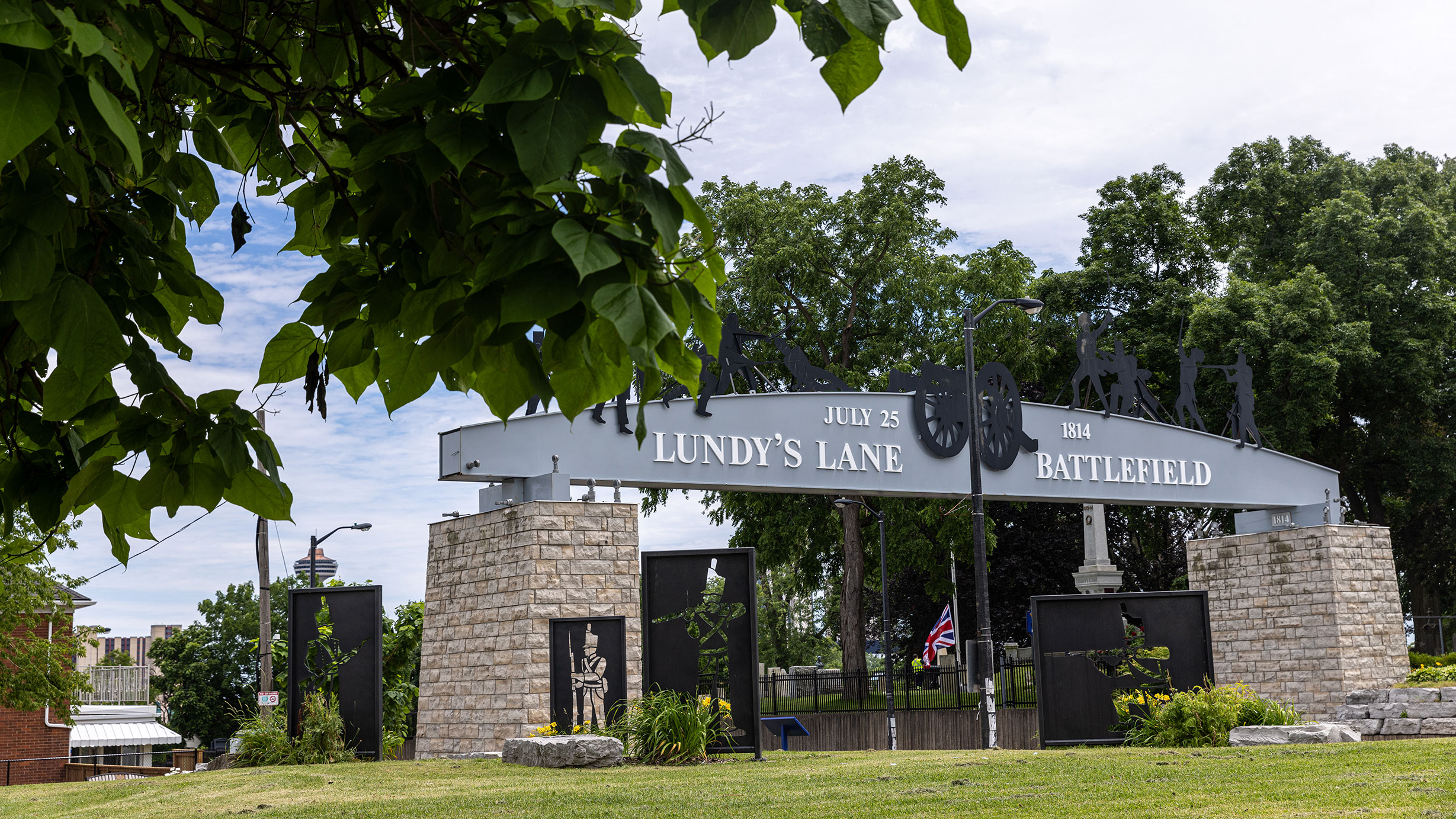
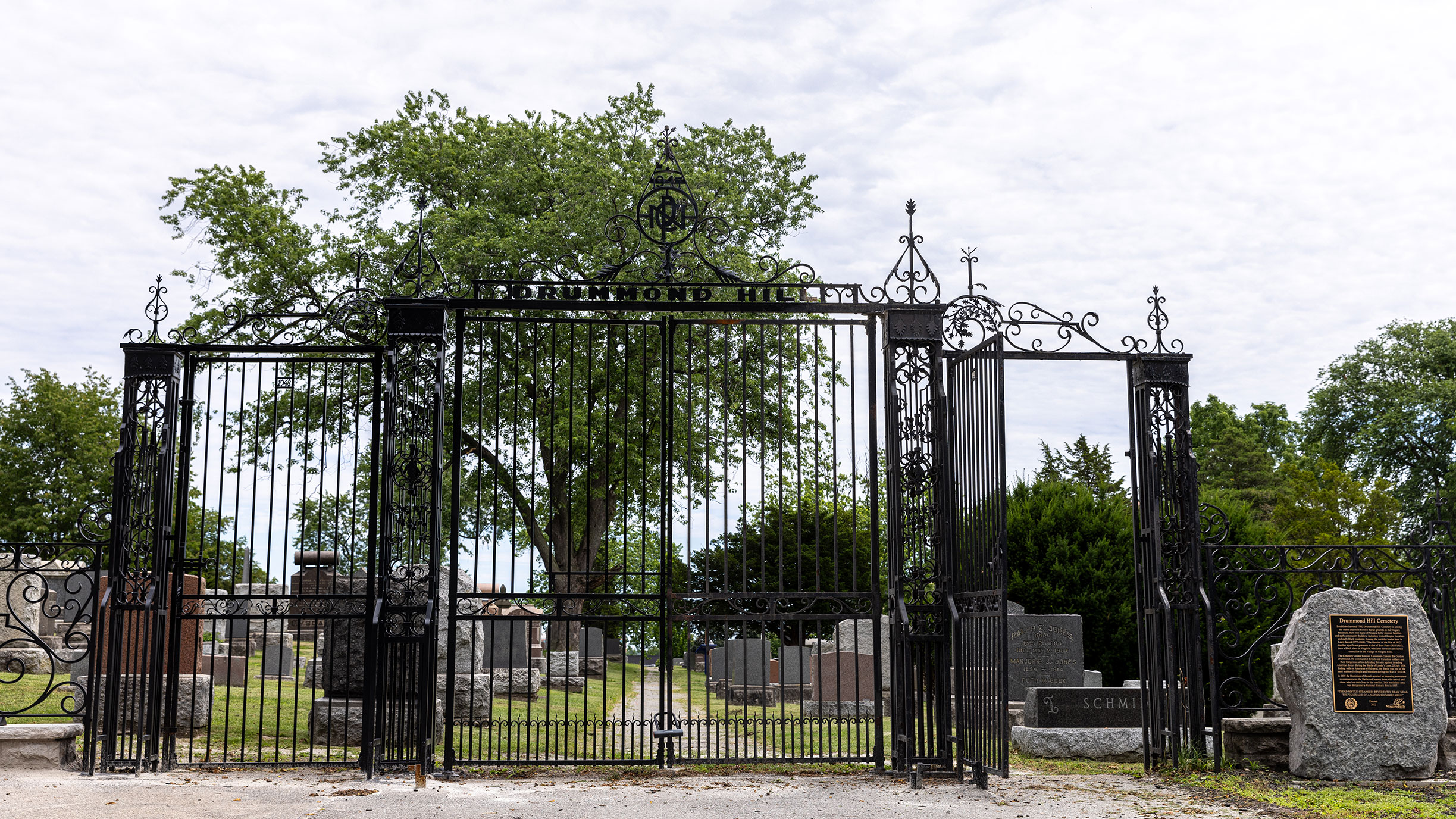
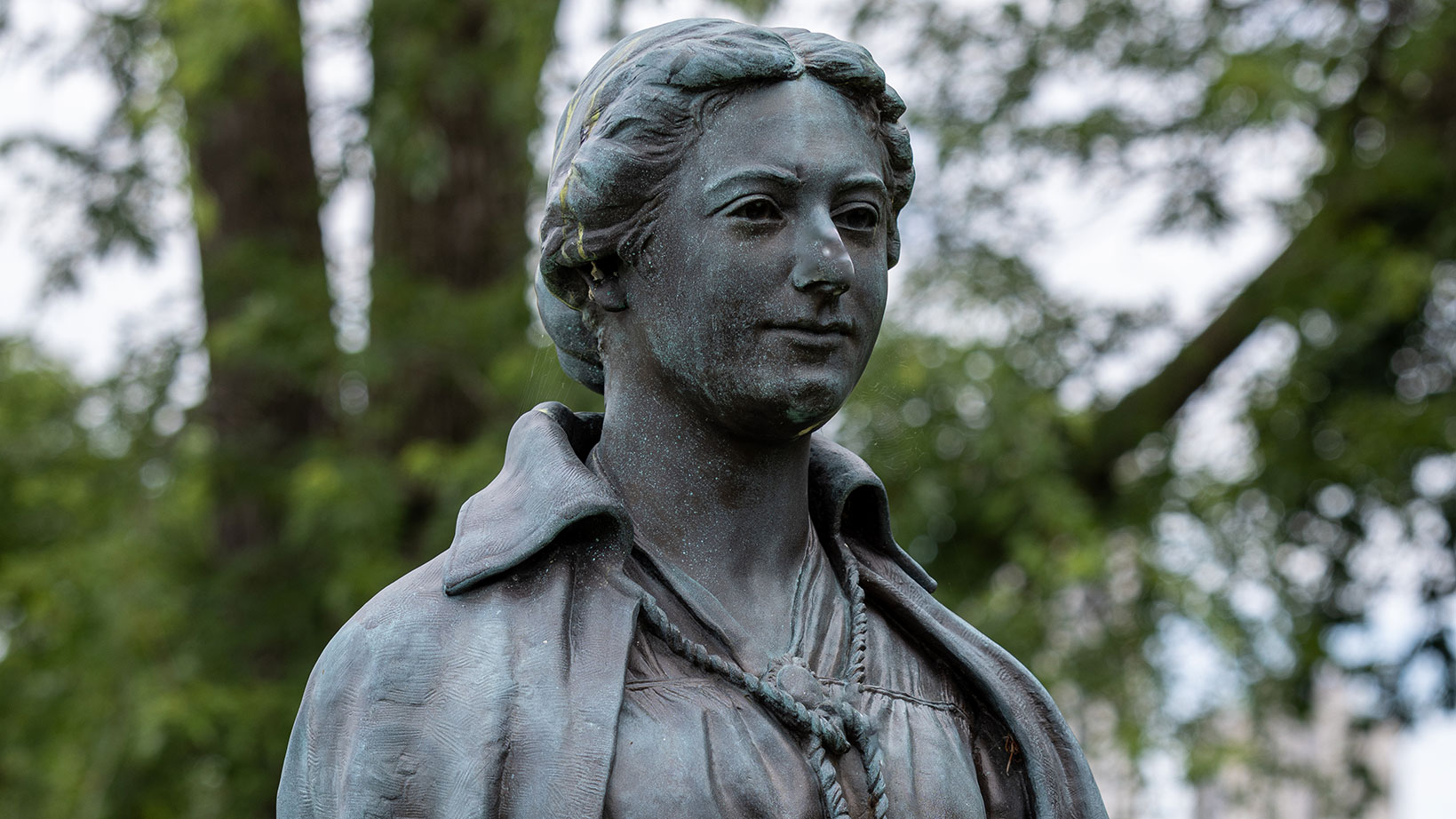
Drummond Hill Cemetery is a place of deep history and reflection. This nationally recognized heritage site holds stories of bravery, sacrifice, and community. It is best known as the battleground of the Battle of Lundy’s Lane and the final resting place of Canadian legend Laura Secord and other notable figures.
The cemetery dates back to 1799 when Christopher Buchner purchased 400 acres of land from his father-in-law, James Forsythe. He set aside the top of the hill as a burial ground. The first recorded burial was John Burch in 1799, after his remains were moved from his farm, where he was originally buried in 1797.
In 1814, this peaceful resting place became the site of one of the bloodiest battles of the War of 1812—the Battle of Lundy’s Lane. The area was later named Drummond Hill in honour of General Drummond, who led the defence against American forces.
For over a century, William Dalton worked as a sexton for various cemeteries in the area. His journals (1845–1916) offer valuable insights into local genealogy, though they do not always specify exact burial locations.
The Niagara Parks Commission took over the cemetery’s care in 1910, and in 1996, the City of Niagara Falls assumed responsibility for its upkeep.

Battle of Lundy’s Lane
This marker commemorates the fierce battle fought here on July 25, 1814. Led by General Drummond on the British side and General Jacob Brown on the American side, the battle resulted in over 1,700 soldiers killed, wounded, or captured.

Commemorative wall
Erected in 2004 to mark the 190th anniversary of the Battle of Lundy’s Lane and the City’s Centennial, this wall features four limestone panels depicting scenes from the battle. The panels were created by Campbell Monument Company in Belleville.

Soldiers monument
Unveiled in 1895 by the Lundy’s Lane Historical Society, this large cairn marks the final resting place of 22 British soldiers who were buried in the vault below it. In 1938, three bronze plaques were added, listing the names of those who fought and died here.